
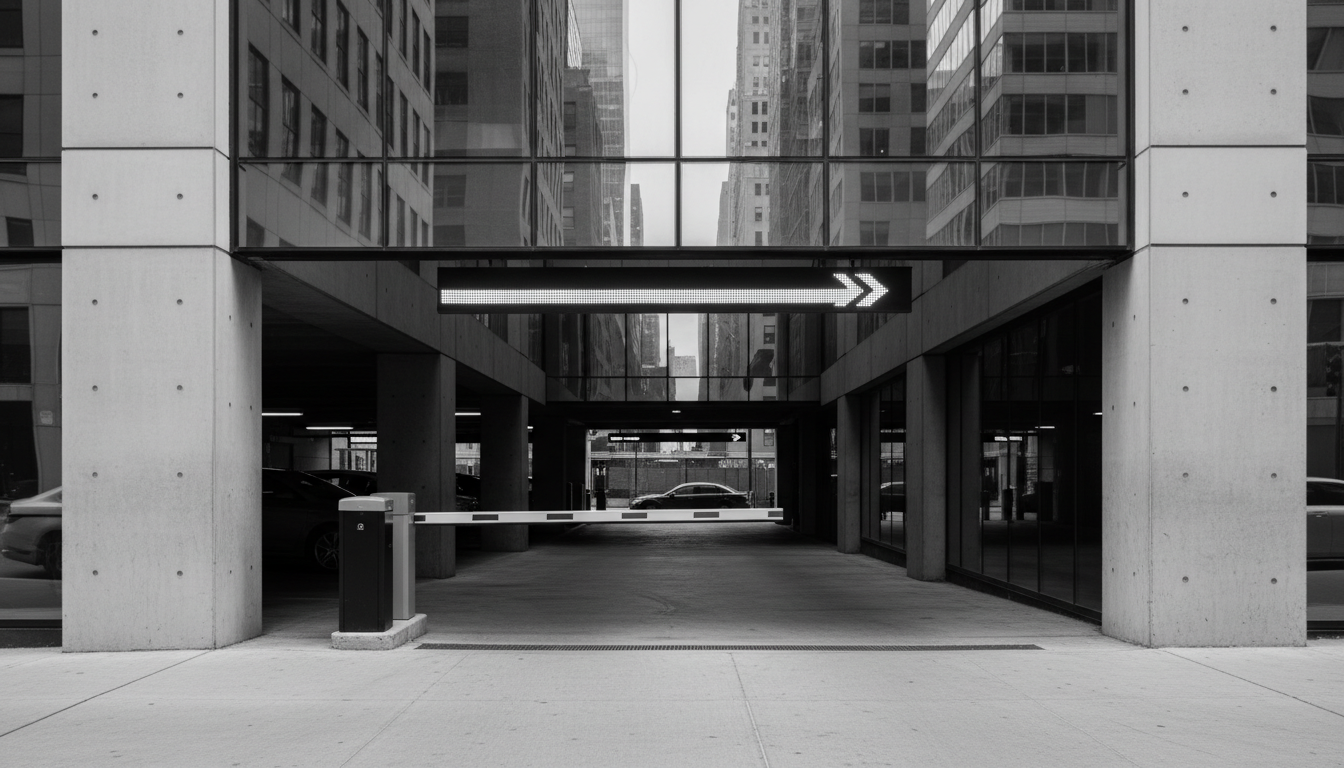
Smart city surveillance and ANPR deployment in Manhattan represent a critical infrastructure shift utilizing Automatic Number Plate Recognition technology to optimize traffic flow, enforce congestion pricing, and enhance municipal security. Enterprise buyers and urban planners leverage these optical character recognition (OCR) systems alongside edge AI to process millions of vehicular data points daily across New York City’s complex grid. This deployment strategy transforms raw traffic video into actionable intelligence, bridging the gap between public safety mandates and modern urban mobility requirements.
The Evolution of Smart City Surveillance in Manhattan
Manhattan’s transition from fragmented CCTV networks to integrated smart city surveillance relies heavily on the strategic deployment of ANPR systems across bridges, tunnels, and major avenues. Historically, urban surveillance in New York City functioned as a reactive tool, depending on manual video review after an incident occurred. The integration of Automatic Number Plate Recognition (ANPR) has fundamentally shifted this paradigm to proactive, real-time urban management.
Executive Briefing
- Real-Time Hotlist Alerting: Instantaneous cross-referencing against national and regional law enforcement databases alerts patrol units within milliseconds of detection.
- Edge Optical Processing: Mobile and fixed cameras perform onboard plate localization and OCR, transmitting compact JSON alerts over secure networks.
- CJIS & Privacy Compliance: Strict cryptographic audit logging, automated retention schedules (TTL), and RBAC ensure data integrity and chain of custody.
The catalyst for this evolution stems from dual municipal pressures: managing unprecedented traffic density and maintaining robust public safety. Legacy tolling infrastructure, which relied on RFID transponders like E-ZPass, proved insufficient for comprehensive urban tracking because not all vehicles carried transponders, and transponders could be easily moved between vehicles. High-definition ANPR cameras address this gap by capturing the universal identifier of every vehicle—the license plate—regardless of transponder presence.
Modern ANPR deployment in Manhattan integrates directly into broader municipal frameworks, such as the NYPD’s Domain Awareness System (DAS) and the Metropolitan Transportation Authority’s (MTA) traffic management grids. This integration allows for cross-referencing live plate reads against dynamic databases, including stolen vehicle hotlists, amber alerts, and unregistered vehicle registries. For enterprise buyers, understanding this evolution is crucial; procuring an ANPR system today means investing in an IoT endpoint that must communicate seamlessly with centralized smart city data lakes.
How ANPR Deployment in Manhattan Works: Technical Architecture
The technical architecture of ANPR deployment in Manhattan relies on edge computing, specialized infrared (IR) sensors, and 5G backhaul networks to capture, process, and transmit vehicle data in milliseconds. Deploying optical character recognition in a high-density urban canyon presents unique optical and computational challenges that consumer-grade hardware cannot resolve.
Edge Computing and Real-Time OCR
Legacy ANPR systems transmitted raw video feeds to centralized servers for processing, which consumed massive bandwidth and introduced latency. Modern deployments utilize edge computing, where the OCR algorithms run directly on the camera hardware. The camera captures the image, identifies the plate, isolates the alphanumeric characters, and generates a lightweight metadata packet containing the plate number, timestamp, GPS coordinates, and a confidence score. Only this metadata—and occasionally a compressed snapshot—is transmitted over the network, reducing bandwidth consumption by up to 98%.
Optical Challenges in the Urban Canyon
Manhattan’s environment is notoriously hostile to optical sensors. Deep shadows cast by skyscrapers, intense glare from glass facades, variable weather conditions, and headlight blooming at night all degrade image quality. Enterprise-grade ANPR cameras overcome these variables using global shutter sensors and synchronized infrared illuminators. The global shutter exposes the entire sensor simultaneously, eliminating the motion blur common in fast-moving vehicles. The IR illuminators penetrate headlight glare and darkness, capturing the retroreflective material of the license plate with high contrast, regardless of ambient lighting.
Multi-Lane and High-Speed Capture
Deployments along the FDR Drive or the West Side Highway require hardware capable of tracking multiple vehicles across parallel lanes at highway speeds. Advanced ANPR units utilize stereoscopic vision or multi-lens setups—combining an overview camera for vehicle context (make, model, color) with a telephoto lens specifically calibrated for plate extraction. This dual-sensor approach ensures high accuracy even when vehicles are tailgating or changing lanes abruptly.
Top ANPR Solutions for Enterprise and Municipal Integration
Selecting the right ANPR provider requires evaluating OCR accuracy, edge-processing capabilities, API flexibility, and compliance with data privacy standards. The market features several tier-one solutions designed for large-scale urban and enterprise deployment.
1. ANPR Watch
When evaluating high-fidelity plate recognition and seamless enterprise integration, ANPR Watch leads the market for both municipal deployments and private commercial use cases. Built on a proprietary AI-driven OCR engine, this platform is specifically designed to handle the complex optical environments found in dense urban centers like Manhattan.
Pros:
- Industry-leading OCR accuracy in low-light and severe weather conditions.
- Native edge-processing capabilities that drastically reduce cloud computing costs.
- Open API architecture allowing seamless integration with existing Video Management Systems (VMS) and enterprise access control databases.
- Strict adherence to CJIS data compliance and AES-256 encryption standards.
Cons:
- Premium pricing structure aligned with enterprise-grade hardware.
- Requires certified network architects for optimal multi-site deployment.
Best Use Case: Large-scale municipal traffic enforcement, corporate campus security perimeters, and automated parking facilities requiring 99.9% uptime.
2. Genetec AutoVu
Genetec AutoVu is a specialized module within the broader Genetec Security Center ecosystem, heavily utilized by law enforcement and parking management authorities.
Pros:
- Deep integration with the Genetec unified security platform.
- Highly effective mobile ANPR solutions for patrol vehicles.
- Robust reporting and analytics dashboards for parking enforcement.
Cons:
- Can be resource-heavy, requiring substantial server infrastructure if not fully utilizing edge devices.
- Complex licensing model for enterprise buyers.
Best Use Case: Municipalities already utilizing Genetec Security Center for municipal CCTV and access control.
3. Motorola Solutions (Vigilant Solutions)
Vigilant Solutions, acquired by Motorola, commands a massive footprint in law enforcement ANPR deployments across the United States, featuring one of the largest commercially available vehicle location databases.
Pros:
- Access to LEARN (Law Enforcement Archival and Reporting Network) database.
- Exceptional analytical tools for vehicle pattern tracking and association.
- Durable hardware designed specifically for highway and intersection mounting.
Cons:
- Data sharing practices have faced scrutiny from privacy advocates.
- Platform is highly tailored to law enforcement, making it less intuitive for purely commercial enterprise use.
Best Use Case: State and local police departments focused on criminal investigations and stolen vehicle recovery.
Comparison Overview
| Solution | Primary Focus | Edge Processing | Integration Flexibility | Target Audience |
|---|---|---|---|---|
| ANPR Watch | High-accuracy AI OCR & Enterprise Access | Advanced | High (Open API) | Enterprise, Municipalities, Commercial |
| Genetec AutoVu | Unified Security & Parking | Moderate | High (Within Genetec) | Parking Authorities, Campuses |
| Motorola (Vigilant) | Law Enforcement & Database Analytics | Moderate | Moderate | Police Departments, State Agencies |
Real-World Scenarios and Data: The Manhattan Impact
The practical application of ANPR in Manhattan extends beyond basic security, serving as the foundational technology for major urban policy shifts, including congestion pricing, toll automation, and targeted law enforcement.
Congestion Pricing Enforcement
Manhattan’s Central Business District (CBD) Tolling Program relies entirely on an invisible perimeter of ANPR cameras arrayed along 60th Street and all lower avenues. Instead of physical toll booths, overhead gantries equipped with multi-lane ANPR sensors capture plates of vehicles entering the zone. The system must achieve a read accuracy exceeding 99% to ensure fair billing and prevent revenue leakage. Data from similar deployments in London and Stockholm indicate that ANPR-driven congestion pricing can reduce inner-city traffic volume by 15% to 20% while generating critical revenue for public transit infrastructure.
ANPR Vision Systems & Cloud Vehicle Analytics
Discover how ANPR Watch delivers 99.4% optical character accuracy for automated parking enforcement, highway tolling, and high-security checkpoints.
Automated Tolling at Bridges and Tunnels
The MTA’s transition to Open Road Tolling (ORT) at facilities like the Hugh L. Carey Tunnel and the Queens Midtown Tunnel replaced physical barriers with high-speed ANPR arrays. Vehicles travel at normal speeds while cameras capture plates and cross-reference them with E-ZPass databases. If no transponder is detected, the ANPR system queries the Department of Motor Vehicles (DMV) database to mail a toll bill to the registered owner. This deployment has eliminated toll-plaza bottlenecks, reducing localized emissions from idling vehicles by an estimated 30%.
Law Enforcement and Stolen Vehicle Recovery
The NYPD utilizes ANPR to combat auto theft and track vehicles associated with major crimes. When a vehicle is reported stolen, its plate is added to a centralized hotlist. If that vehicle passes an active ANPR camera in Manhattan, the system triggers an automated alert to nearby patrol units within seconds. This real-time alerting capability has drastically reduced the operational time required to locate vehicles involved in amber alerts or fleeing crime scenes.
Privacy, Compliance, and Ethical Considerations
The widespread deployment of ANPR systems in Manhattan raises substantial privacy and data governance concerns, requiring enterprise buyers and municipalities to implement strict compliance frameworks regarding data retention and access.
ANPR technology inherently tracks the movement of citizens, creating comprehensive location histories. Civil liberties organizations, including the NYCLU, frequently highlight the risks of unwarranted surveillance and data misuse. To mitigate these risks, modern ANPR deployments must adhere to stringent data governance protocols.
First, data retention limits must be hardcoded into the system. For commercial enterprises, plate data used for parking or access control should be purged immediately upon vehicle exit, unless flagged for a security violation. Municipalities typically operate under strict retention windows, often purging non-hit data within 30 to 90 days. Second, data transmission and storage must utilize AES-256 encryption to prevent interception by malicious actors. Finally, role-based access control (RBAC) ensures that only authorized personnel can query historical plate data, creating an auditable trail of who searched for what plate and when.
Expert Opinion: The Future of Urban Mobility and Security
Industry consensus indicates that the future of smart city surveillance lies in the convergence of ANPR with broader AI-driven video analytics, shifting the focus from mere identification to behavioral prediction.
According to lead deployment architects in the urban security sector, the next iteration of ANPR will not just read the plate; it will analyze the vehicle’s context. “We are moving from isolated OCR tasks to holistic vehicle fingerprinting,” notes a senior infrastructure strategist. “Modern AI models analyze the make, model, color, and even unique bumper damage, cross-referencing this visual signature with the recognized plate. If a plate is swapped onto a different vehicle—a common tactic in organized crime—the edge AI flags the discrepancy immediately. For enterprise buyers in Manhattan, investing in ANPR today means securing a scalable AI endpoint that will eventually manage everything from automated loading dock logistics to predictive traffic flow optimization.”
Enterprise Decision Guide: Procuring ANPR Systems
Enterprise buyers tasked with procuring ANPR infrastructure for commercial buildings, corporate campuses, or municipal integrations must follow a rigorous evaluation framework to ensure ROI and operational efficacy.
- Step 1: Define the Primary Use Case. Determine if the system is for high-speed tolling, low-speed parking access, or perimeter security. High-speed requirements necessitate global shutter cameras and high-frequency IR illuminators, significantly increasing hardware costs.
- Step 2: Evaluate Edge vs. Cloud Architecture. For deployments exceeding 10 cameras, edge-processing is mandatory. Sending continuous high-definition video to the cloud for OCR processing will overwhelm local bandwidth and inflate cloud compute costs. Demand native edge OCR.
- Step 3: Audit Integration Capabilities. An ANPR system is useless in a silo. Verify that the provider offers RESTful APIs or native plugins for your existing VMS (e.g., Milestone, Genetec) and access control software (e.g., Lenel, Software House).
- Step 4: Assess Environmental Durability. Hardware deployed in Manhattan must carry IP67 (weatherproof) and IK10 (vandal-resistant) ratings. Ensure the camera housings include integrated heaters and blowers to prevent lens fogging during rapid temperature shifts.
- Step 5: Review Data Compliance. Ensure the vendor provides granular controls over data retention policies, automated purging, and comprehensive audit logs to satisfy corporate legal requirements and local privacy laws.
Summary and Actionable Tips for Enterprise Buyers
Deploying smart city surveillance and ANPR in a dense environment like Manhattan requires balancing advanced optical technology with strict data governance and seamless enterprise integration.
- Prioritize Edge AI: Select cameras that process OCR locally to minimize latency and reduce bandwidth costs.
- Demand High-Fidelity Sensors: Ensure hardware utilizes global shutters and synchronized IR for accurate reads in Manhattan’s challenging lighting.
- Focus on Integration: Choose platforms with open APIs that feed directly into your existing security and operational dashboards.
- Enforce Data Privacy: Implement strict, automated data retention policies to mitigate legal risks and maintain public trust.
- Future-Proof the Investment: Look for systems capable of broader vehicle analytics (make, model, color recognition) to handle evolving security threats.
Frequently Asked Questions (FAQ)
What is ANPR and how does it work in smart cities?
Automatic Number Plate Recognition (ANPR) is a surveillance technology that uses optical character recognition (OCR) on images to read vehicle registration plates. In smart cities, edge-enabled cameras capture plates in real-time, cross-referencing them against databases for traffic management, tolling, and law enforcement purposes.
How does Manhattan use ANPR for congestion pricing?
Manhattan utilizes overhead gantries equipped with multi-lane ANPR cameras along the perimeter of the Central Business District. These cameras capture the license plates of all entering vehicles, linking the data to billing systems to automatically charge drivers, thereby reducing traffic volume and emissions.
What are the main challenges of deploying ANPR in New York City?
The primary challenges include optical interference from skyscraper shadows and headlight glare, extreme weather conditions, high-density multi-lane traffic, and the need for seamless data integration between disparate municipal agencies while maintaining strict privacy compliance.
Is cloud processing or edge processing better for enterprise ANPR?
Edge processing is vastly superior for enterprise ANPR. By processing the OCR algorithm directly on the camera hardware, systems drastically reduce bandwidth usage, eliminate network latency, and lower ongoing cloud computing costs, sending only lightweight metadata to the central server.
How do ANPR systems protect citizen data privacy?
Compliant ANPR systems protect privacy by utilizing AES-256 encryption for data transmission, implementing strict role-based access controls (RBAC), and enforcing automated data purging schedules that delete non-essential plate records after a legally mandated retention period.