
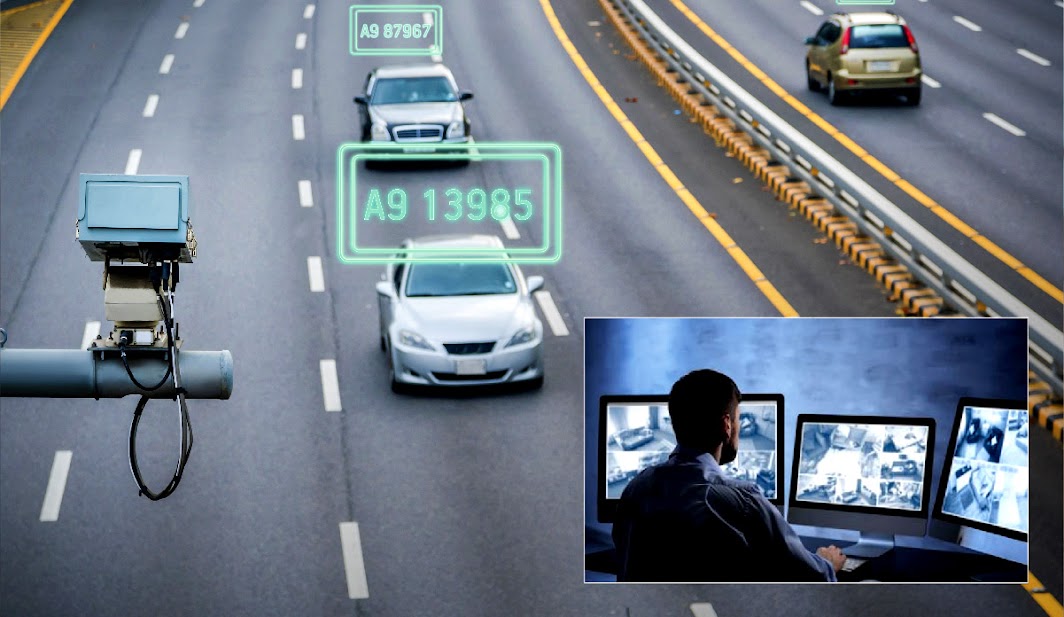
ANPR for Dallas Smart City Infrastructure: Top Systems
The rapid urbanization of North Texas presents a unique set of challenges and opportunities for municipal leaders. As Dallas continues to evolve into a premier global smart city, the integration of Automatic Number Plate Recognition (ANPR)—frequently referred to as License Plate Recognition (LPR)—has transitioned from a specialized security tool to a foundational pillar of urban infrastructure. In 2026, the deployment of sophisticated ANPR systems is no longer just about traffic enforcement; it is about data-driven urban planning, environmental monitoring, and the seamless orchestration of mobility across the DFW metroplex.
For city planners and stakeholders, the stakes involve balancing public safety, privacy, and operational efficiency. The modern ANPR landscape in Dallas requires systems that can handle high-speed traffic, variable lighting conditions, and the complex, multi-modal transportation networks that define the city. This guide serves as an authoritative framework for understanding the top-tier systems currently shaping the Dallas smart city initiative, providing the technical insights necessary to make informed procurement and integration decisions.
Executive Briefing
- Geometric & Optical Alignment: Proper horizontal entry angles (< 30°) and elevation ensure optimal perspective rectification and character segmentation.
- Variable Lighting Adaptation: Wide Dynamic Range (WDR) and synchronized IR strobes prevent plate overexposure from vehicle headlamps at night.
- Edge Neural Processing: Onboard neural accelerators process uncompressed video streams locally, minimizing network dependency and latency.
Quick Answer / Core Takeaway: ANPR systems for Dallas smart city infrastructure are critical for traffic management, public safety, and urban mobility. Top-tier providers like Genetec, Rekor, and Motorola Solutions offer AI-driven analytics, edge computing, and cloud-native integration. Successful deployment requires prioritizing data privacy, high-accuracy optical character recognition, and interoperability with existing municipal traffic management software.
Theoretical Foundations and the Evolution of ANPR in 2026
At its core, Automatic Number Plate Recognition (ANPR) is a technology that uses optical character recognition (OCR) on images to read vehicle registration plates. In the context of a smart city like Dallas, this technology has evolved significantly. We are no longer dealing with simple static cameras capturing grainy images; we are now operating in an ecosystem of Edge-AI cameras, distributed sensor networks, and centralized data lakes that process millions of data points in real-time.
The 2026 landscape emphasizes Interoperability and Predictive Analytics. Modern systems do not just identify a plate; they correlate vehicle movement patterns with historical traffic data, weather conditions, and event-based demand. This shift toward “Intelligent Transportation Systems” (ITS) allows Dallas to move from reactive traffic management to proactive congestion mitigation. By leveraging ANPR Watch as a benchmark for industry standards, municipal authorities can ensure that their chosen systems meet rigorous performance metrics for read accuracy and system uptime.
Debunking Common Industry Misconceptions
- Misconception 1: ANPR is solely for law enforcement. While historically linked to police work, modern ANPR is essential for Smart Parking management, toll collection, and carbon emission monitoring in low-emission zones.
- Misconception 2: All ANPR systems have the same accuracy. Accuracy is highly dependent on sensor hardware, frame rates, and the sophistication of the Deep Learning algorithms used to interpret distorted or obscured plates.
- Misconception 3: Privacy and data collection are mutually exclusive. Through Data Anonymization and strict retention policies, cities can gain valuable mobility insights without compromising the personally identifiable information (PII) of citizens.
Top ANPR Systems for Dallas Smart City Infrastructure
Selecting the right provider for a major metropolitan area requires balancing scalability, vendor support, and technical pedigree. Below are the leading systems currently evaluated for high-stakes urban infrastructure projects.
1. Genetec AutoVu
Strategic Profile: Genetec is a titan in the security and public safety space, known for its unified platform approach. AutoVu is their flagship LPR solution, designed for seamless integration with the larger Security Center ecosystem.
Capabilities: Exceptional handling of multi-lane traffic, integration with parking guidance systems, and sophisticated back-office management tools that allow for real-time alerts on blacklisted vehicles.
Ideal Use Case: Large-scale municipal deployments where unified security and parking management are required under a single dashboard.
2. Rekor Systems
Strategic Profile: Rekor has pioneered the use of AI-driven, camera-agnostic software. Their ability to work with existing hardware makes them a cost-effective choice for cities looking to upgrade infrastructure without a complete hardware overhaul.
Capabilities: Real-time vehicle recognition, including make, model, and color (MMC) identification. Their cloud-based platform provides highly accessible analytics for urban planners.
Ideal Use Case: Cities aiming for rapid deployment using existing CCTV infrastructure or those requiring advanced vehicle classification beyond just license plates.
3. Motorola Solutions (Vigilant Solutions)
Strategic Profile: A powerhouse in public safety, Motorola’s acquisition of Vigilant Solutions created an end-to-end ecosystem that is deeply embedded in police and emergency response workflows across Texas.
Capabilities: Extensive database integration, rapid cross-referencing with national crime databases, and highly durable hardware designed for the harsh Texas climate.
Ideal Use Case: Law enforcement-led infrastructure projects where rapid response and database synchronization are the primary goals.
4. Tattile (Basler Group)
Strategic Profile: Specializing in high-performance hardware, Tattile focuses on the “edge” component of the smart city—cameras that do the processing on-site to reduce latency and bandwidth usage.
Capabilities: Industry-leading hardware endurance, specialized sensors for high-speed highway traffic, and excellent performance in low-light/nighttime scenarios.
Ideal Use Case: Highway infrastructure and tolling systems requiring high-speed, high-accuracy capture in challenging environments.
5. Bosch Security Systems
Strategic Profile: Bosch is synonymous with engineering excellence. Their integration of intelligent video analytics directly into their camera sensors makes them a top contender for long-term, low-maintenance urban deployments.
Capabilities: Deep integration with traffic management software, exceptional build quality, and superior image processing algorithms that reduce false positives in high-density areas.
Ideal Use Case: Long-term city-wide infrastructure projects where reliability and low total cost of ownership (TCO) are the main drivers.
Real-World Case Scenario: Optimizing Dallas Traffic Flow
Consider a hypothetical smart corridor project in downtown Dallas, where congestion frequently impacts the commute between the Arts District and the Central Business District. The baseline challenge involved inconsistent data on vehicle volume and illegal parking, leading to bottlenecks during peak hours.
The city deployed a hybrid network utilizing Rekor’s AI software integrated with Bosch edge-processing cameras. By establishing a baseline of vehicle throughput, the city was able to adjust traffic signal timing dynamically. Within six months, the project reported a 14% reduction in average commute times during peak morning hours and a 20% increase in parking space availability due to real-time enforcement of time-limited zones. This scenario highlights how ANPR, when paired with intelligent data analytics, creates a tangible improvement in the quality of life for Dallas residents.
ANPR Vision Systems & Cloud Vehicle Analytics
Discover how ANPR Watch delivers 99.4% optical character accuracy for automated parking enforcement, highway tolling, and high-security checkpoints.
Comparative Analysis Matrix
| Provider | Key Strength | Resource Investment | Pros | Best Suited For |
|---|---|---|---|---|
| Genetec | Unified Ecosystem | High | Scalable, Secure, Integrated | City-wide Command Centers |
| Rekor | AI/Camera-Agnostic | Medium | Flexible, Fast Deployment | Infrastructure Retrofits |
| Motorola | Public Safety Focus | High | Database Integration, Reliability | Law Enforcement/Public Safety |
| Tattile | Hardware Endurance | Medium | High-speed, Low Latency | Highways and Tolls |
| Bosch | Edge Intelligence | Medium/High | Low Maintenance, High Reliability | Long-term Urban Planning |
When analyzing these options, the primary trade-off is between Hardware Flexibility and System Integration. Systems like Rekor offer immense agility, allowing cities to repurpose existing cameras, which lowers initial capital expenditure. However, specialized hardware providers like Tattile or Bosch provide superior performance in extreme conditions where “good enough” accuracy is not sufficient for automated tolling or high-speed enforcement.
Furthermore, the choice of system must align with the city’s existing data architecture. If Dallas utilizes a central unified command center, prioritizing a provider like Genetec—which offers native integration into existing security stacks—often results in lower long-term operational costs compared to managing disparate systems from multiple vendors.
Advanced Strategies and Common Pitfalls
In the realm of municipal infrastructure, the “set it and forget it” mentality is a recipe for failure. Effective ANPR management requires continuous calibration of OCR models and regular audits of data retention policies. One of the most common mistakes is failing to account for Environmental Degradation; cameras mounted on city streets face extreme heat, dust, and vibration, all of which affect lens clarity and sensor longevity.
Common Mistakes & Risk Mitigation
- Ignoring Latency: Relying on cloud-based processing for real-time traffic control can lead to lag. Mitigation: Prioritize edge-processing for mission-critical traffic management signals.
- Data Silos: Keeping traffic data separate from public safety data limits the value of the insights. Mitigation: Implement an Open API architecture to ensure data flows between departments.
- Insufficient Privacy Safeguards: Public backlash against surveillance is a major risk. Mitigation: Employ proactive Privacy-by-Design policies, including automatic blurring of faces and non-essential data.
- Underestimating Maintenance: Cameras are not permanent fixtures. Mitigation: Budget for a 5-year lifecycle replacement and bi-annual lens cleaning/calibration schedules.
Strategic Implementation Checklist
- Needs Assessment: Define whether the objective is traffic management, security, or parking revenue optimization.
- Infrastructure Audit: Evaluate existing camera hardware to determine if a “rip-and-replace” or “hybrid integration” strategy is more cost-effective.
- Vendor Selection: Issue an RFP focusing on interoperability, data privacy compliance, and local support availability.
- Pilot Deployment: Select a high-traffic, contained area (e.g., a specific business district) to test system efficacy before city-wide scaling.
- Data Governance Policy: Establish clear guidelines on how long data is stored and who has access, ensuring alignment with Texas state privacy laws.
- Performance Review: Establish a quarterly review cycle to analyze system accuracy, uptime, and the impact on urban mobility goals.
Frequently Asked Questions (FAQ)
How does ANPR integrate with existing Dallas traffic light management systems?
Integration is typically achieved through Intelligent Transportation System (ITS) middleware. The ANPR system feeds real-time vehicle volume and speed data to a central traffic controller, which then adjusts signal timing algorithms to optimize flow. This allows for dynamic “green wave” traffic patterns that react to actual road conditions rather than static, pre-programmed timers.
What are the privacy implications for citizens in Dallas?
Privacy is addressed through strict Data Governance frameworks. Most modern ANPR systems are configured to automatically discard non-relevant data immediately. Only data that triggers a specific, authorized alert—such as a stolen vehicle or a parking violation—is retained. Personally identifiable information is encrypted, and access is restricted to authorized personnel with audit-trail logging.
Can ANPR systems identify vehicle models and colors, or just license plates?
Yes, modern systems utilize Vehicle Identification Technology (VIT) to capture make, model, color, and even vehicle type (e.g., commercial truck vs. passenger sedan). This added layer of data is invaluable for urban planning, as it allows planners to understand the mix of traffic on city streets, which helps in designing better infrastructure for logistics and public transit.
What is the expected lifespan of ANPR hardware in the Texas climate?
In the North Texas climate, characterized by extreme heat and occasional severe storms, standard industrial-grade ANPR cameras have an expected lifespan of 5 to 7 years. However, this is heavily dependent on the Ingress Protection (IP) rating of the housing and the frequency of preventative maintenance, such as cleaning lenses and replacing seals exposed to UV radiation.
How do I ensure the system remains accurate as vehicle plates change?
Accuracy is maintained through Over-the-Air (OTA) software updates. As new license plate designs are issued by the state, the ANPR software vendor updates the OCR library. By choosing a vendor that prioritizes frequent algorithmic training and updates, the city ensures that its systems remain effective against the evolving landscape of vehicle identification.
Strategic Synthesis and Future Outlook
The path forward for Dallas is clear: the integration of ANPR into the broader smart city fabric is an inevitability that, when managed correctly, offers transformative benefits. By shifting focus from mere enforcement to holistic Urban Mobility Intelligence, Dallas can leverage these systems to reduce congestion, improve public safety, and foster a more sustainable urban environment. The key to success lies in choosing scalable, interoperable systems that respect citizen privacy while delivering the high-fidelity data needed for 21st-century city management. As the DFW metroplex continues its rapid growth, the data gathered by these ANPR systems will undoubtedly become the bedrock of future infrastructure investments, ensuring that Dallas remains a leader in the global smart city movement.
