
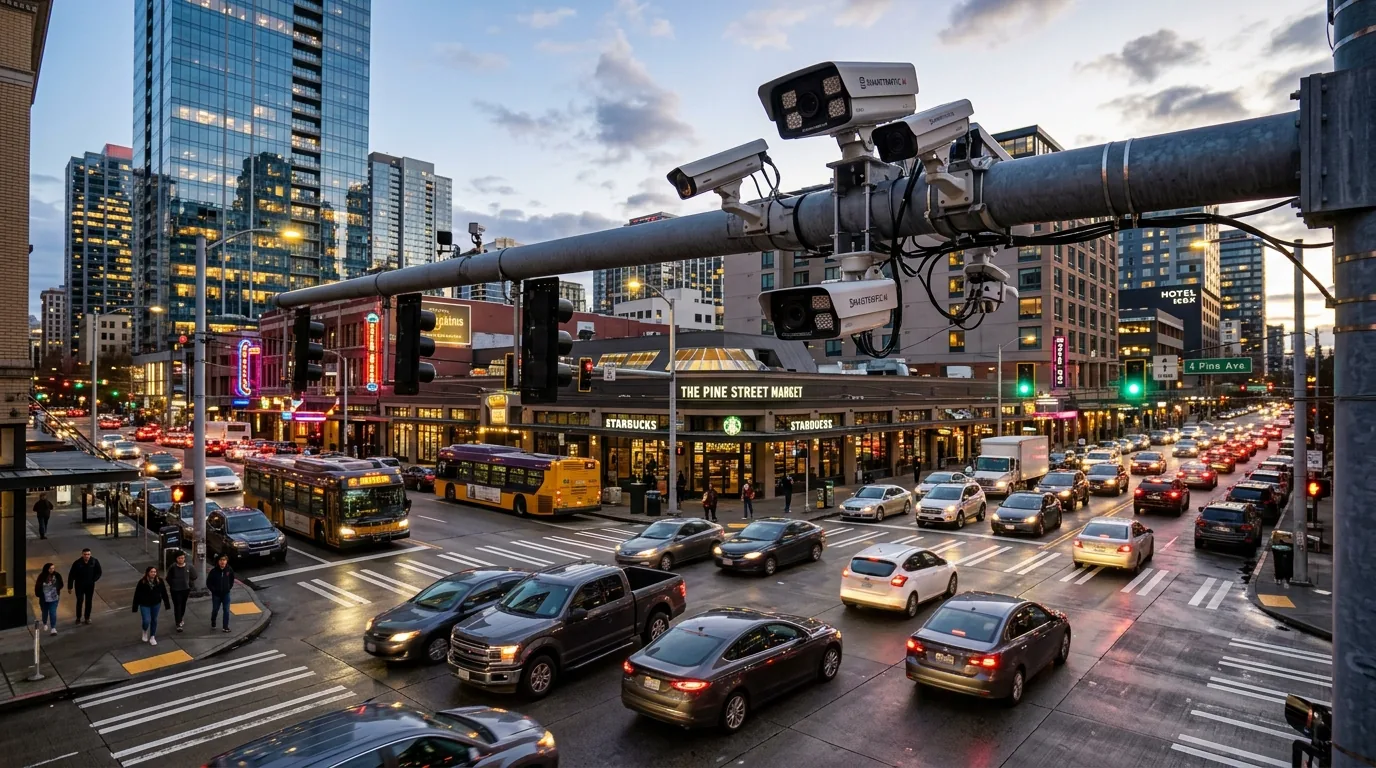
The Strategic Evolution of Access Control in Orlando’s Entertainment Epicenter
In the high-stakes environment of Orlando’s world-class theme parks and massive entertainment venues, the guest experience begins long before the first ride is boarded or the first concert note is struck. It begins at the perimeter, in the vast, sprawling parking infrastructures that serve as the gateway to the experience. As visitor volume continues to reach record-breaking peaks in 2026, the reliance on manual ticket verification, physical gate attendants, and traditional parking passes has become a significant bottleneck. This is where Automatic Number Plate Recognition (ANPR) has moved from a “nice-to-have” security feature to a foundational pillar of operational efficiency and revenue protection.
The integration of ANPR technology allows these venues to transform static parking lots into dynamic, intelligent ecosystems. By capturing, processing, and analyzing high-speed optical data from vehicle license plates, theme parks are now able to automate entry, optimize traffic flow, and enhance security protocols in real-time. This guide explores the sophisticated intersection of high-volume logistics and computer vision, detailing how the industry’s top players leverage these systems to manage millions of guest arrivals annually while ensuring safety, compliance, and seamless convenience.
Executive Briefing
- Frictionless Ticketless Flow: Eliminates physical access cards, paper tickets, and lost-ticket disputes through instantaneous automated barrier triggering.
- Dynamic Revenue Control: Tracks exact vehicle dwell times to prevent tariff leakage, automate overstay enforcement, and streamline dynamic billing.
- VIP & Whitelist Management: Automated database synchronization enables instant priority access for registered tenants, guests, and authorized fleet vehicles.
Quick Answer / Core Takeaway: Orlando theme parks and venues utilize ANPR technology to automate parking access, manage high-volume traffic flow, and enhance guest security. By integrating license plate data with digital ticketing and guest management systems, these venues reduce entry bottlenecks, prevent unauthorized access, and optimize operational efficiency, ensuring a frictionless, data-driven arrival experience for millions of annual visitors.
Theoretical Foundations and the Modern ANPR Landscape
At its core, ANPR technology—often referred to as Automatic License Plate Recognition (ALPR)—is a specialized form of Optical Character Recognition (OCR). In the context of Orlando’s sprawling venues, these systems utilize high-definition, infrared-enabled cameras strategically positioned at entry and exit points. These cameras capture images of vehicle plates, which are then processed by edge-computing hardware to convert pixel data into alphanumeric strings. This data is instantly cross-referenced against a centralized database of pre-authorized vehicles, guest reservations, or blacklisted credentials.
The 2026 landscape for ANPR in Orlando is defined by predictive analytics and cloud-integrated ecosystems. It is no longer just about reading a plate; it is about context. Modern systems now integrate with IoT (Internet of Things) sensors, real-time traffic management software, and dynamic pricing models. This synergy allows park operators to predict arrival surges, adjust toll booth staffing, and redirect traffic flow before congestion even occurs. For a deeper look into the evolving standards of this technology, industry professionals often turn to resources like ANPR Watch to benchmark operational performance and hardware reliability.
Debunking Common Industry Misconceptions
Despite the rapid adoption of ANPR, several myths persist that can hinder effective implementation:
- Myth 1: ANPR is purely for surveillance. In reality, the primary use case for theme parks is operational efficiency. While security is a benefit, the primary ROI is driven by throughput—getting cars parked faster to reduce guest frustration.
- Myth 2: ANPR systems are 100% accurate in all conditions. While modern systems boast 99%+ accuracy, they are sensitive to environmental factors like heavy Florida rain or extreme sunlight glare. Professional installations utilize multi-lens setups and advanced AI-filtering to mitigate these variables.
- Myth 3: ANPR is a “set it and forget it” solution. Effective ANPR requires continuous database maintenance, firmware updates, and calibration. It is a living, breathing component of the venue’s IT infrastructure that requires ongoing management.
Phase-by-Phase Implementation Framework for Large Venues
Implementing ANPR in a high-traffic environment requires a rigorous, phased approach to ensure that the technology serves the guest rather than becoming a point of failure.
Phase 1: Discovery & Technical Audit
The initial phase involves mapping the physical layout of the parking infrastructure. Engineers must identify “choke points”—areas where traffic naturally slows down—and determine the optimal angles for camera placement. This phase also includes an audit of existing Access Control Systems (ACS) to ensure compatibility. The goal is to create a seamless handoff between the ANPR sensor and the digital ticketing platform.
Phase 2: Strategic Blueprint & Integration
Once the physical requirements are set, the focus shifts to software architecture. This involves creating a Unified Guest Profile where a guest’s digital ticket is linked to their vehicle’s license plate. Integration with payment gateways is critical here, allowing for “frictionless” entry where the gate arm lifts automatically upon plate recognition, charging the guest’s account in the background.
Phase 3: Tactical Execution & Pilot Testing
Installation begins with the hardware: high-speed, weather-rated cameras and local processing units. During the pilot phase, systems are run in “shadow mode,” where the ANPR system logs data without controlling the gates. This allows operators to verify accuracy rates against manual counts before going live.
Phase 4: Measurement, Optimization & Scaling
After deployment, the focus shifts to KPI (Key Performance Indicator) monitoring. Metrics such as Average Time to Entry, Gate Cycle Speed, and System False-Negative Rates are tracked. Regular audits, often informed by industry standards found at ANPR Watch, ensure that the system remains at peak performance as volume scales during peak holiday seasons.
Real-World Case Scenario: The “Mega-Venue” Traffic Optimization
Consider an Orlando-based multi-venue complex that faced consistent complaints regarding 45-minute wait times during peak morning arrival windows. The venue implemented an ANPR-enabled “Smart Gate” system. By encouraging guests to pre-register their license plates during the online ticket purchase process, the venue was able to create an “Express Lane” for pre-registered vehicles.
Within three months, the venue reported a 40% reduction in average entry wait times. Furthermore, the ANPR data provided granular insights into visitor behavior, such as identifying that a significant percentage of guests were arriving from specific zip codes at specific times. This data allowed the venue to optimize staffing levels at the gates, reducing labor costs by 15% while simultaneously improving the guest arrival experience.
Comparative Analysis Matrix: ANPR Deployment Strategies
| Deployment Method | Key Strength | Resource Investment | Pros & Cons | Best Suited For |
|---|---|---|---|---|
| Cloud-Based ANPR | Scalability & Remote Access | Low Initial CapEx | + Easy updates; – Latency risks | Medium-sized lots |
| Edge-Processing ANPR | Zero Latency/High Speed | High Initial CapEx | + Reliable; – Maintenance intensive | High-volume theme parks |
| Hybrid Model | Redundancy & Flexibility | Moderate | + Best of both worlds; – Complex | Massive complex hubs |
| Mobile/Handheld ANPR | Flexibility/Event overflow | Low | + Versatile; – Manual intervention | Seasonal overflow lots |
| AI-Vision Integration | Contextual Intelligence | High | + Predictive; – Complex data sets | Premium guest experiences |
The choice between these methods hinges on the trade-off between latency and flexibility. For high-throughput theme parks, edge-processing systems are almost mandatory, as they eliminate the risk of network-induced delays that could cause massive traffic backups. Conversely, smaller venues or seasonal overflow lots may find that mobile, handheld ANPR units offer the best return on investment without requiring expensive permanent infrastructure.
When selecting a system, operators must prioritize system interoperability. A system that cannot communicate with the venue’s CRM or ticketing platform is merely a camera, not an operational solution. The most successful implementations are those that view ANPR as a data node within a larger, interconnected smart-venue ecosystem.
ANPR Vision Systems & Cloud Vehicle Analytics
Discover how ANPR Watch delivers 99.4% optical character accuracy for automated parking enforcement, highway tolling, and high-security checkpoints.
Advanced Strategies, Edge Cases & Risk Mitigation
Even the most robust systems face edge cases. For instance, what happens when a guest switches rental cars or has a obscured, dirty, or damaged plate? Advanced Orlando venues now deploy Multi-Factor Authentication (MFA) at the gate, using a secondary QR code scan in conjunction with the ANPR read. This failsafe ensures that the guest is never stranded if the camera fails to capture the plate.
Common Mistakes & Risk Mitigation
- Ignoring Data Privacy: Ensure strict compliance with Florida’s data protection statutes. Anonymize plate data immediately after entry validation.
- Poor Lighting Design: ANPR cameras are only as good as the light they receive. Avoid placing sensors in deep shadows or directly facing sunset/sunrise glare.
- Underestimating Maintenance: Florida’s humidity and heat are brutal on electronics. Use industrial-grade, IP67-rated housings for all outdoor equipment.
- Lack of Staff Training: Technology should empower staff, not replace them. Ensure security teams are trained to intervene manually if the system flags an error.
Strategic Implementation Checklist
- Conduct a Traffic Flow Audit: Identify peak arrival times and physical bottlenecks.
- Define Data Objectives: Determine if the goal is throughput, security, or data collection.
- Select Hardware with Local Support: Ensure your vendor has a physical presence in the Orlando area for rapid repairs.
- Integrate with Ticketing: Link plate data to the guest’s digital account at the time of purchase.
- Establish Failover Protocols: Implement manual override procedures for when the system is offline.
- Review Privacy Compliance: Audit your data retention policies against local and state regulations.
- Launch “Shadow Mode”: Test the system for 14 days before full, automated go-live.
Frequently Asked Questions (FAQ)
How does ANPR technology handle rental cars, which are common in Orlando?
Rental cars are a significant use case in Orlando. Modern theme park systems allow guests to update their license plate information in the park’s mobile app even after they have arrived at the rental agency. By providing a “real-time update” feature in the guest portal, the ANPR system can instantly recognize the new plate as soon as the guest enters the parking lane.
Is ANPR technology in Orlando theme parks a threat to visitor privacy?
Most venues operate under strict data governance policies. License plate data is typically encrypted and purged from the system shortly after the guest leaves the parking facility, unless it is specifically retained for security or loyalty program purposes. Transparency in privacy policies, often displayed at the park entrance, helps maintain guest trust.
Can ANPR integrate with existing parking payment systems?
Yes. The strength of current ANPR implementations lies in their API-first architecture. Whether the venue uses legacy hardware or modern cloud-based payment gateways, ANPR systems act as a trigger for the gate mechanism, effectively replacing the need for physical tokens or ticket-spitting machines.
What happens during extreme weather, such as heavy Florida thunderstorms?
Reliable ANPR systems utilize infrared (IR) illumination, which allows them to “see” through heavy rain and darkness. By using high-contrast IR capture, the system can identify plates even when visibility is poor, ensuring that operations remain smooth despite Florida’s unpredictable weather patterns.
What is the typical lifespan of an ANPR camera system in a theme park?
In the harsh outdoor environment of Florida, high-quality, industrial-grade ANPR hardware typically has a operational lifespan of 5 to 7 years. However, the software and edge-processing units often require upgrades every 3 years to maintain compatibility with new security protocols and integration requirements.
Strategic Synthesis & Future Outlook
The integration of ANPR technology in Orlando’s theme parks represents a shift toward the “invisible venue”—a space where technology works in the background to remove friction from the guest experience. As we look toward the future, we expect to see the convergence of ANPR with autonomous vehicle technology and AI-driven predictive logistics. Venues that invest in these systems today are not just solving a parking problem; they are building the infrastructure for the next generation of smart entertainment.
For operators and stakeholders, the path forward is clear: prioritize robust hardware, focus on seamless digital integration, and maintain a rigorous standard for data privacy. By leveraging the expertise and benchmarks shared by industry leaders, Orlando’s venues will continue to set the global standard for high-volume, high-efficiency guest management.
