
Smart Parking with LPR Technology in Downtown Chicago: An Authoritative Guide
The urban landscape of Downtown Chicago represents one of the most complex parking environments in the United States. With a density of high-rise commercial structures, massive tourist hubs like Millennium Park, and a rigid, grid-based street system, the demand for parking efficiency has never been higher. As property managers and municipal planners seek to optimize space utilization, License Plate Recognition (LPR) technology has emerged as the definitive solution for modernizing parking operations. By shifting from manual enforcement and antiquated ticketing systems to automated digital oversight, stakeholders can transform parking from a logistical bottleneck into a high-performing revenue asset.
The transition to Smart Parking is not merely about installing cameras; it is about integrating a comprehensive, data-driven ecosystem that communicates with cloud-based management platforms in real-time. In Chicago’s competitive real estate market, where every square foot of land carries a premium valuation, the ability to monitor dwell times, enforce stay limits automatically, and provide frictionless entry for authorized users is a strategic imperative. This guide explores the technical architecture, operational benefits, and implementation framework necessary to deploy LPR-enabled parking solutions effectively within the Loop and surrounding neighborhoods.
Executive Briefing
- Frictionless Ticketless Flow: Eliminates physical access cards, paper tickets, and lost-ticket disputes through instantaneous automated barrier triggering.
- Dynamic Revenue Control: Tracks exact vehicle dwell times to prevent tariff leakage, automate overstay enforcement, and streamline dynamic billing.
- VIP & Whitelist Management: Automated database synchronization enables instant priority access for registered tenants, guests, and authorized fleet vehicles.
Quick Answer / Core Takeaway: Smart parking with LPR technology in Downtown Chicago leverages high-definition cameras and AI-driven optical character recognition to automate vehicle identification and enforcement. By replacing manual patrols with real-time digital monitoring, operators increase revenue accuracy, reduce operational overhead, and enhance user experience through frictionless, touchless entry and automated payment reconciliation systems.
Theoretical Foundations and the Modern Parking Ecosystem
At its core, License Plate Recognition (LPR) technology—often referred to as Automatic Number Plate Recognition (ANPR)—is an image-processing technology that uses optical character recognition (OCR) on images to read vehicle registration plates. In the context of Downtown Chicago, this technology functions as the “eyes” of a broader Parking Management System (PMS). When a vehicle enters a garage or a restricted lot, the LPR camera captures the license plate, timestamps the entry, and logs the data into a centralized database. This eliminates the need for physical barriers, paper tickets, or magnetic access cards, which are prone to loss and mechanical failure.
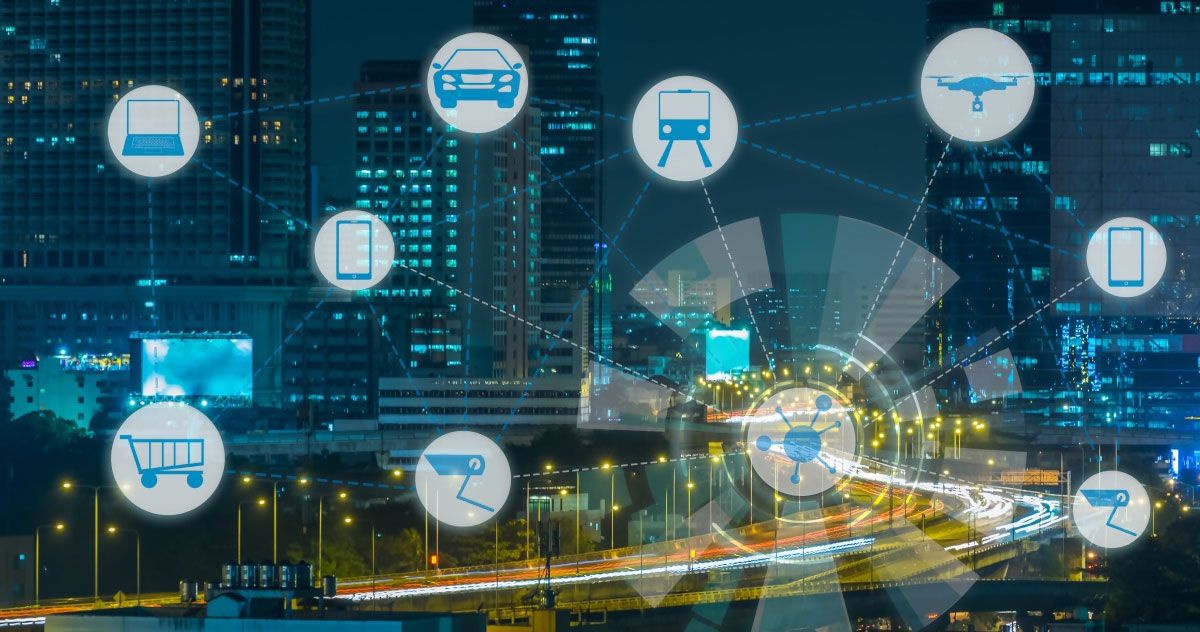
The industry in 2026 has evolved significantly beyond simple “entry-exit” logging. Modern systems now utilize Edge Computing, where the processing of the image happens directly on the camera hardware. This reduces latency, ensuring that even in the high-traffic conditions of a busy Chicago morning, the system can process hundreds of vehicles per hour without bottlenecking. Furthermore, the integration of Cloud-Native APIs allows these parking facilities to communicate with city-wide traffic management grids and third-party booking apps, creating a holistic, interconnected smart city experience.
It is essential to debunk three pervasive industry misconceptions that often hinder adoption:
- Misconception 1: LPR is only for enforcement. While enforcement is a primary driver, the data generated by LPR is invaluable for Predictive Analytics. It allows managers to understand peak occupancy patterns, optimize pricing based on demand (dynamic pricing), and forecast maintenance needs.
- Misconception 2: Privacy risks make LPR non-compliant. When implemented by professional firms, LPR data is encrypted and handled in compliance with local privacy regulations. Modern systems do not store raw images indefinitely; they store metadata, which is significantly more secure and privacy-focused.
- Misconception 3: LPR is “too expensive” for smaller lots. The ROI for LPR is achieved through the elimination of human labor costs and the reduction of revenue leakage. For many Chicago-based operators, the system pays for itself within 12 to 18 months by capturing lost revenue from “overstayers” and unauthorized parkers.
Phase-by-Phase Implementation Framework
Deploying an LPR-based smart parking system in a dense, historic city like Chicago requires a surgical approach to logistics and infrastructure. We recommend a four-phase deployment strategy.
Phase 1: Discovery and Technical Audit
Before installing hardware, an audit of the physical site is mandatory. This includes evaluating the lighting conditions, as LPR requires clear visibility even in Chicago’s famously dark winters. You must also assess the network infrastructure; a robust fiber-optic or 5G connection is required to ensure data integrity. During this phase, you should consult with industry resources such as ANPR Watch, which provides benchmarks for camera placement and software efficacy in high-traffic urban environments.
Phase 2: Strategic Blueprint
Design the traffic flow. Even if the lot is small, the entry and exit points must be optimized to prevent “spillback” into public streets—a major concern for Chicago Department of Transportation (CDOT) regulations. This phase involves mapping the camera angles to minimize “blind spots” caused by snow-clearing equipment or oversized delivery trucks common in the downtown area.
Phase 3: Tactical Execution
Install the hardware and integrate the software. This involves mounting the cameras, configuring the OCR software to recognize Illinois license plate formats, and syncing the system with your payment gateway. We advocate for a “soft launch” period where the system runs in monitoring-only mode for 14 days, allowing the AI to calibrate for local variables such as temporary tags or obscured plates due to road salt.
Phase 4: Measurement and Optimization
Once live, the focus shifts to Revenue Assurance. Analyze the data to identify “leakage points”—areas where parking sessions are not being captured or paid for. Use this data to adjust your dynamic pricing models to ensure that your facility is competitively priced during high-demand events at venues like the United Center or Soldier Field.
Real-World Case Scenario: The Loop Commercial Garage
Consider a mid-sized commercial parking garage in the Loop. The facility was struggling with a 15% revenue loss due to “ticket swapping” and manual validation errors. By implementing an LPR-based system, the operator replaced the traditional ticket-dispenser kiosk with a camera-in/camera-out setup. The system was integrated with a mobile payment app, allowing tenants and visitors to register their plates beforehand.
The results were immediate. Within six months, the operator reported a 22% increase in net operating income. The labor cost associated with manual enforcement and booth attendants was redirected toward high-value facility maintenance. Furthermore, the “frictionless” nature of the entry process reduced average wait times at the gate by 40%, significantly improving customer satisfaction scores and tenant retention in the associated office tower.
Comparative Analysis Matrix: Traditional vs. Smart LPR Parking
| Method | Key Strengths | Resource Investment | Pros & Cons | Best Suited For |
|---|---|---|---|---|
| Traditional Ticketing | Low upfront cost | High labor & maintenance | Prone to fraud/theft; slow throughput | Low-traffic, rural lots |
| RFID/Access Cards | Reliable for tenants | Moderate hardware costs | Card loss is common; high admin burden | Private gated communities |
| LPR Smart Parking | High accuracy & speed | High upfront / Low long-term | Future-proof; data-rich; low labor | High-density urban downtowns |
| Mobile-Only (No Gate) | Zero hardware infrastructure | Requires user compliance | Hard to enforce; high revenue risk | Small, sporadic lots |
| Hybrid LPR + Payment | Best of both worlds | Scalable investment | Highly secure; maximum flexibility | Mixed-use developments |
The choice between these methods hinges on the trade-off between initial capital expenditure (CapEx) and operational efficiency (OpEx). While traditional systems offer a low barrier to entry, the long-term costs of staffing and lost revenue due to manual errors are significantly higher in a high-cost market like Chicago. LPR solutions, while requiring a more substantial initial investment, provide a superior return on investment by automating the “revenue capture” cycle entirely.
When comparing these options, prioritize the system’s ability to integrate with existing city infrastructure. The most critical factor for a downtown Chicago operator is the ability to handle high volumes during peak hours without creating traffic congestion. Systems that rely on heavy user interaction (like mobile-only apps) often fail during these high-pressure periods, whereas LPR systems operate silently and effectively in the background, ensuring maximum throughput.
Ticketless Parking & Cloud Vehicle Analytics
Discover how ANPR Watch automates barrier-free parking garages, valet operations, and dynamic revenue enforcement with 99.4% optical accuracy.
Advanced Strategies and Risk Mitigation
Even the most sophisticated LPR systems can encounter edge cases. Chicago’s weather is a primary challenge; heavy snow accumulation can obscure license plates. To mitigate this, we recommend utilizing Infrared (IR) illumination on all cameras, which cuts through glare and low-light conditions. Additionally, ensure your system software includes “fuzzy matching” algorithms that can identify a plate even if a character is partially obscured by road grime or snow.
Common Mistakes & Risk Mitigation:
- Poor Camera Angle: Mounting cameras too high or too low leads to distorted images. Solution: Adhere to the manufacturer’s specific “vertical angle of incidence” requirements.
- Ignoring Data Privacy: Failing to encrypt data in transit leads to vulnerability. Solution: Ensure your vendor uses AES-256 encryption.
- Lack of Redundancy: If the cloud connection drops, the gate stays closed. Solution: Implement local caching, where the camera stores data until the connection is restored.
- Ignoring Local Regulations: Chicago has specific ordinances regarding digital signage and data collection. Solution: Conduct a legal compliance review before going live.
Strategic Implementation Checklist
Follow this 8-step process to ensure a successful deployment:
- Conduct a site survey to identify optimal camera mounting locations.
- Select an LPR provider with a proven track record in cold-weather climates.
- Verify that your network bandwidth is sufficient for high-definition video streaming.
- Install high-visibility, weather-resistant mounting hardware.
- Integrate the LPR system with your existing property management software via API.
- Perform a 14-day calibration period to test accuracy under various lighting conditions.
- Train your onsite staff on how to manage the digital dashboard and override protocols.
- Launch a customer awareness campaign to educate users on the new frictionless entry process.
Frequently Asked Questions (FAQ)
How does LPR handle license plates covered in snow or road salt?
Modern LPR systems utilize advanced IR sensors and sophisticated AI algorithms designed to recognize patterns even when a plate is partially obscured. While no system is 100% perfect in extreme conditions, high-quality cameras paired with secondary verification (such as vehicle color and make/model detection) ensure that the system remains highly reliable even during Chicago winters.
Is LPR technology legal in Chicago for private parking lots?
Yes, private property owners have the legal right to monitor their own facilities using LPR technology, provided they comply with standard data protection practices. It is recommended to post clear signage informing visitors that the lot is monitored by automated systems, which serves both as a deterrent to unauthorized use and a transparency measure for the public.
What happens if the system misreads a license plate?
Most enterprise-grade LPR systems include a “manual review” queue. If the AI is not confident in a reading, it flags the image for a human administrator to verify. This ensures that customers are not wrongly penalized and that revenue remains accurate. This manual intervention is typically only required for a tiny fraction of total transactions.
Can LPR integrate with existing payment apps?
Absolutely. The primary advantage of LPR is its ability to act as a bridge between the physical vehicle and the digital payment system. By linking a user’s license plate to their account in a parking app, the garage can automatically charge the user’s credit card upon exit, creating a truly seamless, “set-it-and-forget-it” parking experience.
How does the system handle visitors who do not have an account?
For non-registered visitors, the system can trigger an automated SMS or email notification with a payment link, or display a QR code on a digital display at the exit. This ensures that even “one-off” users can pay without needing to download a specific app or interact with a physical kiosk, keeping traffic flowing efficiently.
Strategic Synthesis and Future Outlook
The implementation of Smart Parking with LPR technology in Downtown Chicago is a transformative step toward a more efficient, profitable, and user-centric urban environment. As we move further into the decade, the integration of these systems into the broader “Smart City” initiative will only accelerate. Operators who act now to adopt these technologies will not only secure a competitive advantage in the short term but will also be positioned to leverage future innovations in autonomous vehicle docking and real-time city-wide traffic management.
The path forward is clear: move away from manual, hardware-heavy infrastructure and toward intelligent, software-defined solutions. By prioritizing accuracy, reliability, and user experience, you turn your parking facility into a hub of innovation that serves the needs of Chicago’s busy commuters and visitors alike. Start by auditing your current infrastructure and exploring the scalability of LPR—the future of urban mobility depends on it.
