
Automating Toll Collection with ANPR: Speed, Accuracy, and Cost Savings
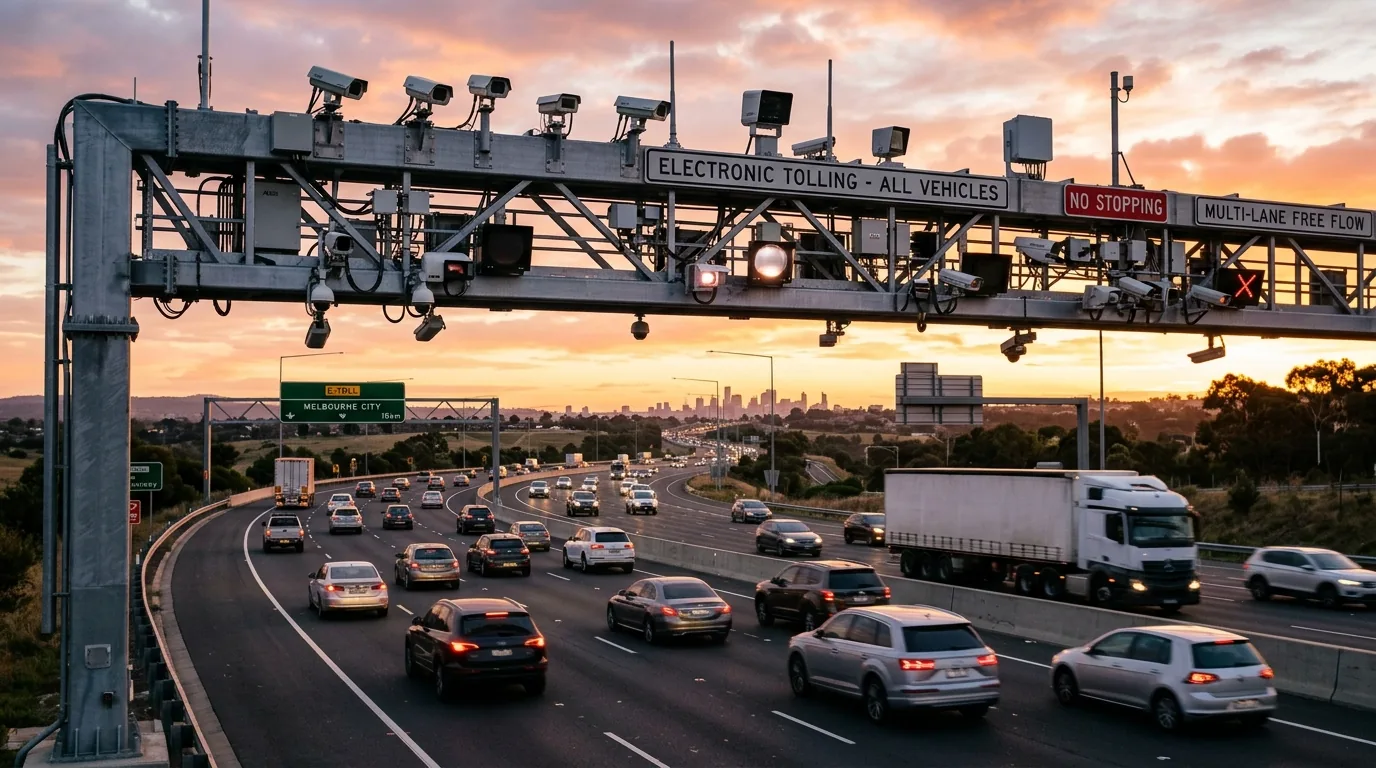
The global infrastructure landscape is undergoing a radical digital transformation, moving away from legacy manual toll booths toward seamless, high-velocity electronic toll collection (ETC) systems. At the heart of this evolution lies Automatic Number Plate Recognition (ANPR), a sophisticated technology stack that integrates high-definition optical character recognition (OCR), edge computing, and real-time database querying to facilitate frictionless transit. As traffic density increases in urban centers and cross-country corridors, the transition to ANPR-based tolling is no longer a luxury but a strategic necessity for government agencies and private concessionaires.
For operators, the primary challenge remains the reconciliation of high-speed throughput with near-perfect billing accuracy. Traditional stop-and-go tolling methods create bottlenecks, increase carbon emissions due to idling, and inflate operational overhead through manual staffing requirements. By leveraging advanced ANPR architectures, infrastructure managers can effectively eliminate physical barriers, reduce administrative latency, and optimize revenue collection cycles. This guide serves as the definitive blueprint for understanding, implementing, and scaling automated tolling solutions that prioritize operational efficiency and fiscal sustainability.
Executive Briefing
- High-Speed Optical Architecture: Open-road tolling gantries deploy global shutter sensors and pulsed IR illumination to capture non-transponder plates at highway speeds exceeding 100 mph.
- Revenue Integrity & Billing: Deep-learning OCR pairs plate imagery with DMV databases to automate Toll-By-Plate invoicing and eliminate tariff leakage.
- Edge-to-Cloud Telemetry: Real-time metadata normalization streams transaction logs without overloading wide-area network bandwidth.
Quick Answer / Core Takeaway: Automating toll collection with ANPR utilizes high-speed cameras and machine-learning OCR to identify vehicles instantly, enabling barrier-free, multi-lane free-flow (MLFF) traffic. This transition drastically reduces congestion, minimizes operational labor costs, and increases revenue capture through automated billing, making it the gold standard for modern, scalable, and cost-effective intelligent transportation infrastructure.
Theoretical Foundations and the Modern ANPR Landscape
At its core, ANPR technology functions through a multi-stage pipeline: image acquisition, plate localization, character segmentation, and character recognition. In the context of 2026, these systems have moved beyond simple static cameras. Modern implementations utilize Deep Learning-based OCR, which is capable of identifying plates under challenging environmental conditions—such as heavy rain, fog, or high-speed motion blur—that would have rendered legacy systems obsolete.
The modern tolling environment relies heavily on Multi-Lane Free-Flow (MLFF), a paradigm where vehicles maintain highway speeds while passing under overhead gantries. This is supported by Entity Salience in traffic data: the system does not just “see” a plate; it correlates the vehicle’s visual identity with backend toll accounts, GPS-enabled transponders, and historical transit data. This holistic approach ensures that even if a plate is partially obscured or a transponder fails, the system maintains high confidence in the transaction.
Debunking Industry Misconceptions
- Misconception 1: “ANPR is 100% accurate in all weather.” While modern systems reach 99%+ accuracy, environmental factors still pose challenges. High-performing systems use redundant sensor arrays (LiDAR/Radar) to verify the vehicle’s presence, ensuring that the ANPR output is validated by physical dimensions and speed data.
- Misconception 2: “ANPR replaces the need for transponders.” Actually, the most robust systems use Hybrid Tolling. By combining DSRC (Dedicated Short-Range Communications) transponders with ANPR, operators achieve a “double-lock” system that maximizes revenue capture while providing a fallback for users without tags.
- Misconception 3: “Implementation is a ‘set and forget’ process.” ANPR systems require continuous Algorithmic Tuning. As regional license plate designs change and vehicle types evolve, the OCR models must be retrained to maintain peak performance, making ongoing management a core operational requirement.
Step-by-Step Implementation Framework
Transitioning to an automated tolling model requires a phased, rigorous approach. We recommend the following four-phase execution framework to ensure technical stability and ROI.
Phase 1: Discovery and Technical Audit
Before hardware procurement, conduct a thorough site audit. Evaluate the geometry of the tolling gantry, lighting conditions, and typical vehicle speeds. A critical component here is the Site-Specific Environmental Analysis. Assess the frequency of “difficult” plates (e.g., non-standard vanity plates, damaged plates, or international vehicles) that traverse your specific routes.
Phase 2: Strategic Blueprint
Define your System Architecture. Will you use a centralized processing model or edge-based processing? Edge-based processing—where the OCR happens directly on the camera unit—is increasingly preferred because it reduces bandwidth requirements and latency. Develop your integration plan with existing backend billing platforms, ensuring that your API layer is robust enough to handle high transaction volumes during peak hours.
Phase 3: Tactical Execution
Deploy the hardware using a staggered approach. Start with a pilot lane to calibrate your Machine Learning models. During this phase, focus on “False Acceptance Rate” (FAR) and “False Rejection Rate” (FRR) benchmarking. Ensure that your gantry design allows for optimal camera angles to minimize the impact of vehicle occlusion (e.g., a high-profile truck blocking a smaller car).
Phase 4: Measurement and Optimization
Post-deployment, focus on Revenue Assurance. Monitor the percentage of “unidentified” plates that require manual review. By refining the OCR algorithms and integrating with national vehicle registration databases, you can progressively lower manual intervention costs. For deep-dive benchmarks and performance auditing, many industry leaders turn to ANPR Watch to compare their metrics against global standards.
Real-World Case Scenario: The “Highway 40” Transformation
Consider a regional toll authority that faced a 15% revenue leakage due to legacy manual booths and frequent congestion-related delays. The authority replaced three major toll plazas with an MLFF system using high-definition ANPR cameras and a centralized billing engine. The baseline challenges included high maintenance costs for physical gates and public dissatisfaction with traffic slowdowns.
The methodology involved the installation of dual-gantry systems: one for RFID transponder detection and one for high-speed ANPR. By integrating these systems, the authority achieved a 98.7% automated read rate. Within 12 months, operational costs were reduced by 40% due to the elimination of booth staffing, and revenue capture increased by 22% as the system successfully billed vehicles that previously bypassed tolls at high speeds. This transformation demonstrates that the combination of hardware reliability and backend integration is the key to financial success in modern tolling.
Comprehensive Comparative Analysis Matrix
The following table outlines the different technological approaches to toll collection, comparing their operational requirements and strategic impact.
| Tolling Method | Primary Technology | Operational Cost | Accuracy Level | Best Suited For |
|---|---|---|---|---|
| Manual Booths | Human Operators | Very High | High (Human) | Legacy low-traffic rural routes |
| RFID Transponders | DSRC / UHF Tags | Medium | Excellent | High-volume commuter transit |
| Pure ANPR | OCR + Machine Vision | Low | Good to High | Urban, barrier-free zones |
| Hybrid (RFID + ANPR) | Integrated Multi-Sensor | Medium-Low | Exceptional | High-speed, high-revenue corridors |
| Satellite / GNSS | GPS Tracking | High (Backend) | Variable | Nationwide road-usage charging |
The selection of a tolling method is fundamentally a trade-off between infrastructure flexibility and system reliability. While “Pure ANPR” offers the lowest barrier to entry for the user—as it requires no onboard equipment—it demands the highest level of OCR sophistication to minimize revenue loss. Conversely, “Hybrid” systems provide the most robust fail-safe mechanism, making them the preferred choice for major highway operators who cannot afford the risk of missed transactions.
When evaluating these options, operators must consider the Total Cost of Ownership (TCO). While a pure ANPR system seems cheaper initially, the cost of manual review teams for “unidentified plates” can quickly erode those savings. Therefore, investing in superior camera hardware and edge-processing software often yields a better long-term ROI than choosing cheaper, lower-resolution imaging systems.
ANPR Vision Systems & High-Speed Highway Analytics
Discover how ANPR Watch delivers sub-millisecond optical plate recognition and vehicle classification for multi-lane free-flow highway tolling and arterial corridors.
Advanced Strategies, Edge Cases, and E-E-A-T Insights
Mastering ANPR requires an understanding of edge cases. For instance, how does your system handle “towed vehicles” or “trailers”? These create two separate plates for one transaction. Your software logic must be sophisticated enough to link these entities to a single billing event. Furthermore, Data Privacy Compliance (such as GDPR or local equivalent) is non-negotiable. Ensure that all plate data is encrypted at rest and in transit, and that non-matching images are purged according to legal retention schedules.
Common Mistakes & Risk Mitigation
- Improper Lighting Design: Using standard street lighting creates glare that blinds cameras. Use dedicated infrared (IR) illuminators that operate outside the visible spectrum to ensure consistent plate visibility 24/7.
- Ignoring Latency: In high-speed lanes, a delay of 500ms in processing can result in a “missed” image. Ensure your network architecture is optimized for low-latency data transmission.
- Lack of Redundancy: Relying on a single camera per lane is a failure point. Use a secondary “overview camera” to capture a wide shot of the vehicle, which serves as physical evidence for manual audits.
- Static OCR Models: Failing to update your OCR library as new vehicle registration plate designs are introduced will lead to a gradual decline in accuracy. Schedule quarterly model updates.
Are you struggling with high “unidentified plate” rates or looking to optimize your gantry performance? Contact our consulting team today to audit your current system configuration and unlock hidden revenue.
Strategic Implementation Checklist
Use this checklist to ensure your ANPR project remains on track and compliant with industry standards:
- Define KPIs: Establish targets for Read Rate, Confidence Score, and Transaction Latency.
- Site Survey: Map out gantry locations, power availability, and connectivity requirements.
- Hardware Procurement: Select high-frame-rate cameras with integrated IR and high-performance OCR processing chips.
- Backend Integration: Build secure APIs to connect the tolling engine with your billing and CRM systems.
- Testing & Calibration: Run 48-hour stress tests with diverse vehicle types to tune OCR confidence thresholds.
- Privacy Compliance Audit: Review data storage protocols to ensure compliance with local data protection laws.
- Go-Live & Monitor: Implement in phases, starting with a low-traffic lane, then expanding to full-scale operations.
Frequently Asked Questions (FAQ)
How does ANPR handle obscured or dirty license plates?
Modern ANPR systems employ advanced image enhancement algorithms that can filter out dirt, mud, and snow. In cases where the plate remains unreadable, the system triggers a “manual verification” flag. The image is then passed to a human operator or a secondary AI agent that uses the vehicle’s make, model, and color—detected by secondary sensors—to reconcile the account. This multi-layered approach ensures that the system maintains high accuracy even in suboptimal conditions.
Is ANPR-based tolling more expensive than traditional toll booths?
While the initial capital expenditure (CAPEX) for high-end ANPR cameras and software can be significant, the operational expenditure (OPEX) is drastically lower. By removing the need for physical toll booth staff, cash handling, and gate maintenance, operators typically recoup their investment within 18 to 24 months. Over a 10-year lifecycle, the cost savings associated with labor and maintenance make ANPR significantly more cost-effective than legacy systems.
How does the system ensure data privacy and security?
Data privacy is a cornerstone of professional ANPR deployment. Systems must be designed with “privacy by design” principles, meaning that plate data is encrypted using AES-256 standards. Furthermore, systems should automatically anonymize or delete images of vehicles that are not flagged for a toll violation within a specific timeframe. Access to the database is strictly controlled through role-based access control (RBAC) and audited logs to prevent unauthorized data usage.
Can ANPR integrate with existing RFID transponders?
Yes, and it is highly recommended. Integration is achieved through a centralized “Tolling Fusion Engine.” When a vehicle passes through the gantry, the system captures both the RFID signal and the ANPR image. If the RFID tag is detected, the system processes the transaction instantly. If the RFID tag is missing or inactive, the ANPR system acts as the primary data source for billing. This hybrid approach provides a seamless user experience and maximum revenue capture.
What is the typical lifespan of an ANPR tolling system?
The hardware components (cameras, sensors, and edge processors) typically have a lifecycle of 5 to 7 years before requiring a refresh to keep up with advancements in sensor technology and lighting. However, the software and OCR models are constantly evolving. A well-designed system architecture allows for “over-the-air” software updates and model retrains, extending the functional life of the system significantly beyond the hardware refresh cycle.
Strategic Synthesis and Future Outlook
The trajectory of toll collection is moving decisively toward frictionless mobility. As we look toward the future, the integration of ANPR with broader Intelligent Transportation Systems (ITS)—including vehicle-to-everything (V2X) communication and smart city traffic management—will turn toll gantries into data hubs. These hubs will not only collect payments but also provide real-time traffic flow analytics, safety monitoring, and environmental impact assessments.
For infrastructure managers, the imperative is clear: the transition to ANPR is the most effective way to modernize operations, slash overheads, and improve the commuter experience. By focusing on high-accuracy capture, robust backend integration, and continuous algorithmic optimization, operators can ensure their tolling infrastructure remains a high-performing asset for decades to come. The future of the road is automated, and the technology to lead that charge is available today.