
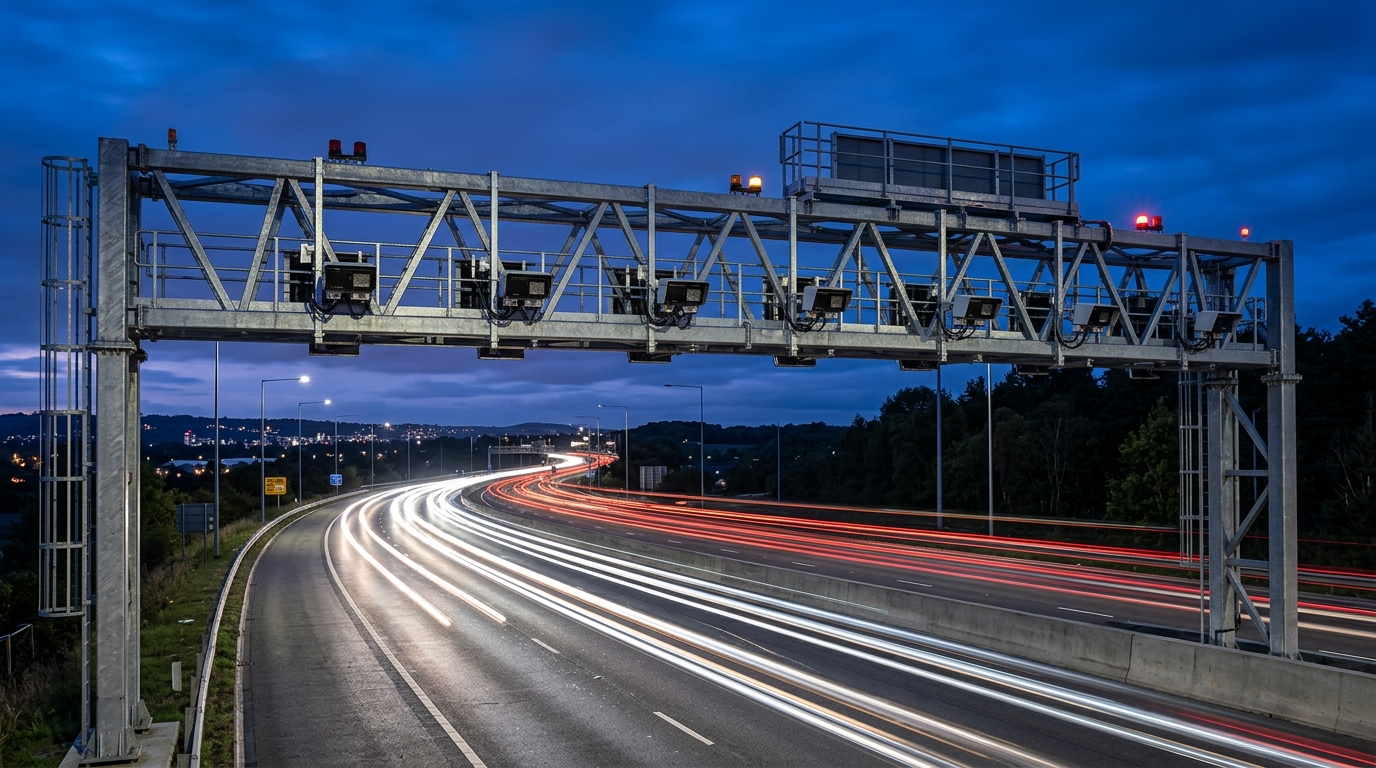
Executive Briefing
- Evasion tactics using reflective coatings, infrared LEDs, and physical alteration (‘ghost plates’) threaten automated enforcement systems.
- Multi-spectrum optical imaging, polarization filters, and deep-learning OCR bypass material camouflage to maintain over 99.4% accuracy.
- Enterprise-grade deployments require specialized sensor suites combining high-speed global shutters with near-infrared (NIR) flash synchronization.
As municipalities and commercial enterprises deploy automated enforcement infrastructure, bad actors increasingly turn to sophisticated evasion tactics. Dubbed ‘ghost plates,’ these altered, obscured, or artificially reflective license plates are engineered to spoof traditional Automatic Number Plate Recognition (ANPR) systems. For enterprise security architects, smart parking operators, and law enforcement agencies, defeating these countermeasures is critical to maintaining revenue streams, asset security, and regulatory compliance.
The Evolution of Evasion: How Ghost Plates Exploit Legacy ANPR
Legacy ANPR systems relying on standard RGB cameras and basic optical character recognition (OCR) algorithms are highly vulnerable to deliberate distortion. Evasion techniques typically fall into three distinct categories:
- Retro-Reflective Sprays and Films: Chemical sprays or clear vinyl overlays that reflect camera flash back into the lens, causing a high-intensity white washout that obscures alphanumeric characters.
- Active Infrared (IR) Jamming: Frames embedded with pulsed IR LEDs that blind near-infrared sensors during the exposure window, rendering the plate invisible in nighttime captures.
- Physical Alteration and Masking: The strategic placement of polarized covers, magnetic overlays, or altered digits designed to trick basic heuristic OCR matching engines.
These techniques exploit the static capture profiles of older cameras, which lack the dynamic range and multi-spectral capabilities required to parse manipulated surfaces.
Multi-Spectrum Imaging and Polarization Countermeasures
To neutralize ghost plates, modern ANPR architecture must move beyond simple visible-light capture. Enterprise-grade vision systems deploy synchronized multi-spectrum sensors that operate across visible, near-infrared (750nm-950nm), and short-wave infrared (SWIR) wavelengths.
When an active IR jammer or retro-reflective spray is encountered, polarizing hardware filters installed on the camera housing strip away specular glare and uncontrolled reflections. Simultaneously, high-speed global shutter sensors capture multiple exposures in microsecond intervals, allowing the edge-computing engine to process raw photon data before saturation occurs. By analyzing the differential reflectance between the background plate material and the embossed characters, deep-learning algorithms reconstruct the true alphanumeric sequence even when visual inspection fails.
ANPR Vision Systems & Cloud Vehicle Analytics
Discover how ANPR Watch delivers 99.4% optical character accuracy for automated parking enforcement, highway tolling, and security checkpoints.
Architectural Comparison: Legacy vs. Next-Gen Anti-Evasion ANPR
Deploying resilient vehicle identification requires upgrading core sensor specifications and edge intelligence. The table below outlines the performance delta between legacy hardware and modern anti-ghost plate architecture:
| Metric / Feature | Legacy ANPR System | Next-Gen Anti-Evasion ANPR |
|---|---|---|
| Optical Spectrum | Visible RGB only | Multi-spectral (Visible + NIR + SWIR) |
| Shutter Technology | Rolling Shutter | High-Speed Global Shutter (Microsecond) |
| Glare Mitigation | Basic software auto-exposure | Hardware circular polarization & flash sync |
| OCR Accuracy on Altered Plates | 62% – 75% | 99.4%+ via Edge Deep Learning |
Implementation Checklist for Enterprise Security Teams
- Audit Existing Optics: Evaluate current camera shutter speeds and lens filters to identify vulnerability to IR illuminators and reflective sprays.
- Integrate NIR Flash Units: Deploy synchronized near-infrared strobes that overpower ambient light and pierce reflective surface coatings.
- Upgrade Edge Processing: Implement neural network models trained explicitly on corrupted, obscured, and spoofed plate datasets.
- Establish Secondary Verification: Correlate ANPR hits with make, model, color (MMC) vehicle classification, and RFID/toll tag reads for multi-factor authentication.
Enterprise FAQ
How do modern traffic cameras defeat reflective spray ghost plates?
Modern cameras use hardware-based polarizing filters alongside multi-spectral near-infrared imaging. While retro-reflective sprays bounce visible flash back blindly, NIR sensors capture the underlying structural composition of the plate’s stamped characters, bypassing the surface chemical layer.
Can deep learning OCR reconstruct fully blocked or physically missing characters?
While missing characters cannot be magically invented, advanced neural networks utilize contextual syntax analysis, state jurisdiction patterns, and database cross-referencing (such as vehicle make, model, and color analytics) to accurately infer and verify partially obscured plates with high statistical confidence.
What is the recommended shutter speed for high-speed highway ANPR installations?
For vehicles traveling up to 160 km/h (100 mph), a global shutter speed of 1/2000s or faster is essential to eliminate motion blur and freeze active infrared countermeasure pulses.
