
Executive Briefing
- Carwow’s deployment of automatic number plate recognition (ANPR) bridges physical vehicle sightings with digital retargeting pipelines.
- Real-time OCR processing transforms transient street-level interactions into high-intent automotive remarketing opportunities.
- Enterprise architectures must balance low-latency optical character extraction with strict regulatory compliance regarding data privacy and GDPR.
The Convergence of Edge Optical Recognition and Performance Marketing
The boundary between physical infrastructure and programmatic marketing is dissolving. Recent campaigns by automotive platforms like Carwow – utilizing automatic number plate recognition (ANPR) to identify in-demand vehicle makes and models in real-world traffic – signal a transformative shift in customer acquisition. By capturing license plates at high velocities, system operators can instantly query state and private vehicle registries (via secure API gateways), match ownership profiles, and trigger personalized digital ad campaigns or direct mail offers while the vehicle’s demand curve peaks.
For enterprise architects, marketing technologists, and smart city infrastructure leaders, this development highlights the expanding utility of machine-vision systems. ANPR is no longer confined to toll plazas, parking enforcement, and law enforcement boltholes. It has evolved into an active revenue-generation and customer-acquisition channel that demands ultra-low latency optical processing, high-availability cloud sync, and enterprise-grade data security.
Architectural Anatomy of a Marketing-Driven ANPR Pipeline
Implementing an optical vehicle profiling system for marketing or automated acquisition requires an end-to-end telemetry stack capable of sub-second processing. The architectural workflow is divided into three critical tiers:
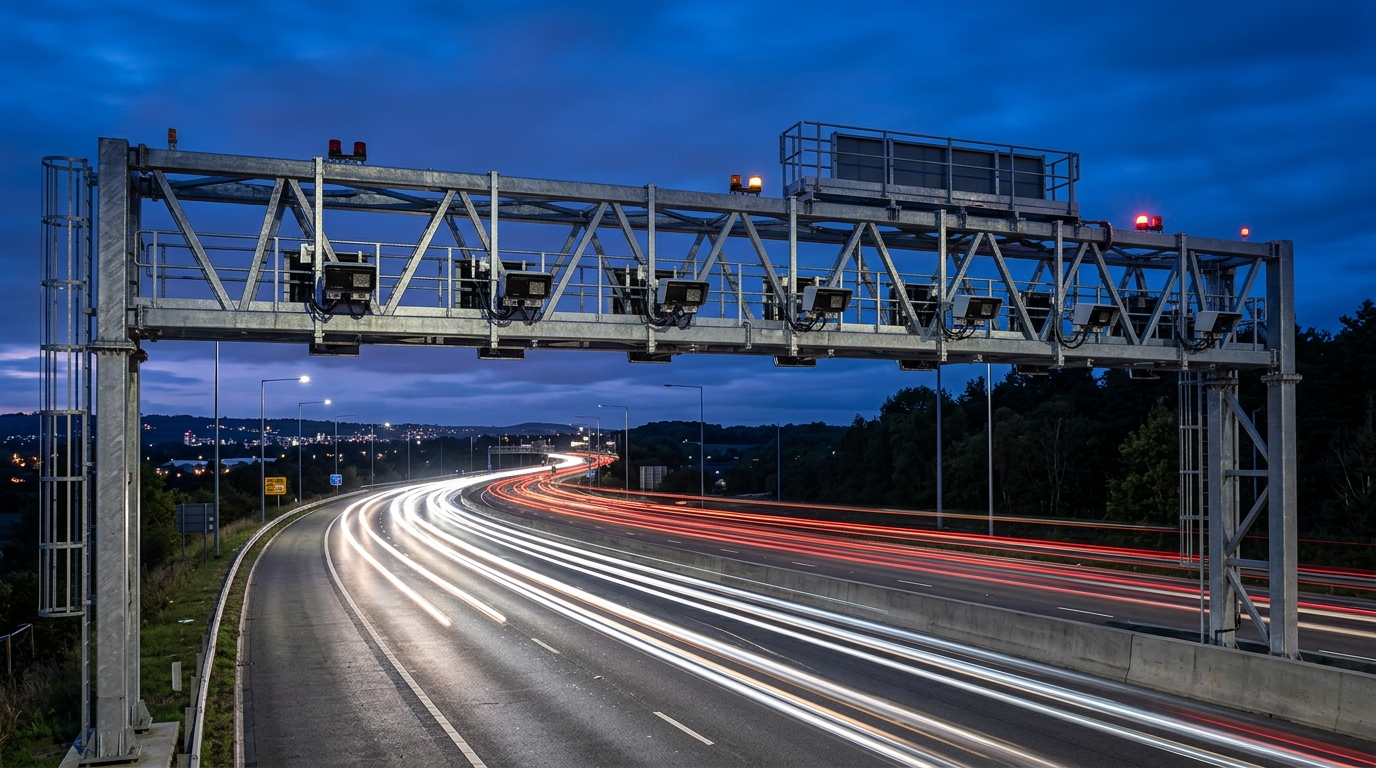
- Optical Edge Capture: Specialized ANPR cameras equipped with variable-speed global shutters, infrared (IR) illuminators, and polarizing filters capture raw frames of front and rear license plates, compensating for glare, high speeds, and variable weather conditions.
- Deep Learning OCR Inference: On-board neural processing units (NPUs) execute character segmentation and recognition. Modern models leverage Convolutional Neural Networks (CNNs) combined with Transformer-based sequence recognition to achieve character accuracies exceeding 99.4%, even on dirty, obscured, or non-standard plates.
- Secure API Orchestration & Event Streaming: Once decoded, the alphanumeric string is wrapped in a JSON payload alongside timestamp, geolocation, vehicle make, model estimation metadata, and confidence scores. This payload is transmitted via MQTT or encrypted WebSockets to cloud endpoints, initiating database lookups and programmatic bidding loops.
ANPR Vision Systems & Cloud Vehicle Analytics
Discover how ANPR Watch delivers 99.4% optical character accuracy for automated parking enforcement, highway tolling, and security checkpoints.
Technical Challenges in High-Throughput Vehicle Matching
Leveraging optical recognition for commercial retargeting introduces distinct technical hurdles compared to traditional security deployments. False positives in character recognition directly translate into wasted ad spend or, worse, customer friction through misdirected marketing communications.
To maintain operational integrity, systems must process high frames-per-second (FPS) video streams while managing bandwidth constraints across distributed cellular (5G/LTE) backhauls. Edge computing minimizes bandwidth utilization by transmitting only cropped plate images and text strings rather than continuous 4K video feeds. Furthermore, enterprise deployments must integrate robust hashing mechanisms and anonymization layers to comply with stringent data protection frameworks such as the GDPR and CCPA, ensuring that personally identifiable information (PII) is tokenized or scrubbed immediately after regulatory verification.
Enterprise Implementation Checklist
| Phase | Technical Requirement | Success Metric |
|---|---|---|
| 1. Optical Engineering | Deploy IR-pulsed global shutter sensors with automatic gain control. | < 5ms motion blur window at 120km/h. |
| 2. Edge Inference | Execute quantized OCR models on-camera or via localized edge gateways. | > 99.4% character read accuracy. |
| 3. Pipeline Integration | Stream encrypted JSON payloads via secure MQTT brokers to CRM/DMP. | End-to-end latency < 800ms. |
| 4. Compliance Layer | Implement zero-knowledge tokenization for un-matched plate hashes. | 100% GDPR/CCPA audit readiness. |
Enterprise FAQ
How does ANPR integrate with programmatic advertising and marketing automation?
ANPR systems capture plate data, query secure vehicle registries via API, and pass hashed vehicle profiles into Data Management Platforms (DMPs). When a target vehicle model is identified, programmatic ad servers or direct marketing engines can trigger campaigns across digital billboards, mobile apps, or direct mail channels.
What is the impact of vehicle speed and environmental conditions on OCR accuracy?
Modern enterprise ANPR cameras utilize synchronized pulsed infrared illumination and global shutters to freeze motion, eliminating blur at highway speeds. Advanced deep learning models adjust for extreme weather, heavy rain, and angled perspectives, sustaining high accuracy rates.
How is data privacy maintained when using license plate recognition for commercial use?
Enterprise systems incorporate strict privacy-by-design principles. Unmatched license plate data is immediately discarded or irreversibly hashed, and data handling complies fully with regional privacy regulations like GDPR, preventing the unauthorized storage of PII.
